Russia’s Natural Gas Reserves: What You Need to Know
Russia holds some of the world’s largest natural gas reserves, a fact that shapes global energy markets and influences everything from heating bills in Europe to industrial supply chains in Asia. These reserves aren’t just a number on a balance sheet—they’re a strategic asset that powers economies, fuels debates over energy security, and drives geopolitical decisions. Whether you’re tracking energy prices, planning an infrastructure project, or simply curious about where your gas comes from, understanding Russia’s natural gas reserves starts with three key realities: their sheer scale, their geographic concentration, and the infrastructure built to move that gas across continents.
Where the Gas Lives: The Biggest Fields and Their Output
Russia’s natural gas isn’t spread evenly across the country—it’s concentrated in a handful of massive fields, each with its own production profile and challenges. The Urengoy field in Western Siberia is the crown jewel, producing more than 2 trillion cubic feet of gas annually and accounting for nearly a third of Russia’s total output. Nearby, the Yamburg field and the Medvezhye field add another 1.5 trillion cubic feet combined, forming a production cluster that’s hard to match anywhere else on Earth.
These fields aren’t just about volume—they’re also about quality. The gas here is relatively low in impurities like sulfur, making it easier and cheaper to process than some of the sour gas found in other regions. That matters when you’re shipping gas thousands of miles by pipeline or liquefying it for export as LNG. The downside? These fields are in remote, harsh environments where winter temperatures routinely drop below -40°C, adding logistical hurdles to maintenance and expansion.
Pipelines vs. LNG: How Russia Moves Its Gas to Market
Russia doesn’t just produce gas—it moves it. The country’s pipeline network, stretching over 170,000 kilometers, is the backbone of its gas export strategy. The Nord Stream pipelines under the Baltic Sea send gas directly to Germany and other European markets, while the Power of Siberia pipeline delivers gas 3,000 kilometers east to China, a project that took a decade to complete and now supplies 20 billion cubic meters annually. These pipelines aren’t just pipes—they’re geopolitical tools, with transit fees, take-or-pay contracts, and political leverage baked into their operation.
But pipelines aren’t the only game in town. Russia is also expanding its liquefied natural gas (LNG) capacity, with the Yamal LNG project leading the way. By cooling gas to -162°C, it can be shipped globally on specialized tankers, reaching markets like Japan and India that pipelines can’t serve. The catch? LNG plants are expensive to build and operate, requiring massive upfront investment and a steady supply of gas to justify the cost. Still, for remote fields or when pipeline routes are politically risky, LNG offers a flexible alternative.
Who Buys Russian Gas—and Why It Matters
Russia’s gas doesn’t stay home. In 2023, Europe was still the largest customer, importing about 40% of its gas from Russia before the Ukraine war disrupted flows. Germany, historically the biggest buyer, relied on Russian gas for nearly 50% of its supply, a dependency that shaped everything from industrial planning to household heating policies. Meanwhile, China is rapidly increasing its intake, with imports jumping from near zero in 2019 to over 15 billion cubic meters in 2023—and that’s just the beginning. The Power of Siberia 2 pipeline, proposed to run through Mongolia to China, could double that volume if built.
This isn’t just about sales—it’s about leverage. Countries that depend on Russian gas for heating or power generation face tough choices when political tensions rise. The 2022 cutoffs to Europe showed how quickly energy security can become a crisis, while China’s growing appetite gives Russia a new customer base less sensitive to Western sanctions. For buyers, the trade-off is clear: access to reliable, large-volume supplies comes with the risk of sudden disruptions or long-term dependency.
What’s Next: Expansion Plans and the Energy Transition
Russia isn’t standing still. The government has approved plans to develop new fields in the Arctic and Eastern Siberia, including the Shtokman field and the Kovyktinskoye field, which could add another 50 billion cubic meters of annual production by 2030. These projects are ambitious, requiring ice-resistant platforms, new pipelines, and partnerships with international firms—though sanctions have made that cooperation harder. At the same time, Russia is betting on hydrogen and ammonia as future exports, blending gas with these carriers to reduce carbon footprints while maintaining energy sales.
Yet the long-term outlook isn’t just about expansion. As the world shifts toward renewables, gas faces pressure to prove its role in a lower-carbon future. Russia’s reserves give it leverage, but also a challenge: how to keep its gas competitive as global demand for fossil fuels potentially declines. For now, the strategy seems to be doubling down on Asia while maintaining a foothold in Europe, even as pipelines like Nord Stream face an uncertain future.
Key Takeaways for Energy Planners and Consumers
- Scale matters: Russia’s top fields produce enough gas to meet the annual needs of a country like Germany—twice over. That scale underpins its influence in global markets.
- Infrastructure is destiny: Pipelines lock in long-term relationships with buyers, while LNG offers flexibility. The choice between them depends on geography, politics, and cost.
- Buyers face trade-offs: Reliable supply from Russia comes with geopolitical risks. Diversifying sources—whether through LNG, renewables, or new pipelines—can reduce vulnerability.
- The Arctic is the next frontier: New fields promise growth, but they’re expensive, risky, and increasingly isolated by sanctions. Success isn’t guaranteed.
For anyone tracking energy markets, Russia’s natural gas reserves aren’t just a topic for economists—they’re a lens into global power, climate policy, and the practical realities of moving energy from remote fields to cities halfway around the world. Whether you’re a policymaker, a business owner, or just someone paying a heating bill, the story of Russia’s gas reserves is one worth watching.
Remarkable Russia
Remarkable Russia
Russia

Russia
What Is Russia Famous For Culturally? - Web Magazine Today
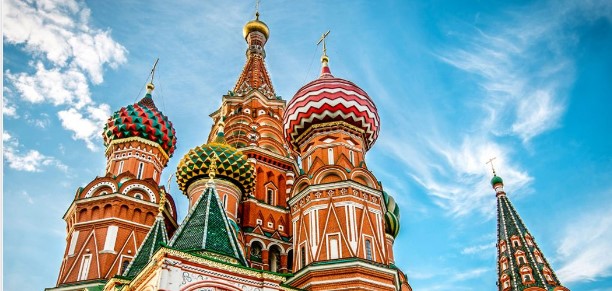
What is Russia Famous for Culturally? - Web Magazine Today
Russia Wallpapers - 4k, HD Russia Backgrounds On WallpaperBat
Russia Wallpapers - 4k, HD Russia Backgrounds on WallpaperBat