How the Shifting Landscape of Gas Pipelines from Russia to Europe Affects Energy Security
Europe’s reliance on gas pipelines from Russia has long shaped the continent’s energy strategy, but recent geopolitical shifts, market volatility, and regulatory changes are forcing policymakers and businesses to rethink supply chains, pricing, and long‑term resilience.
Why do European countries still depend on Russian gas pipelines?
Historically, the extensive network of pipelines—most notably the Nord Stream 1 and 2 routes, the Yamal‑Europe line, and the Brotherhood pipeline—provided up to 40 % of the EU’s natural gas demand during winter months. The infrastructure was built for cost‑effective, high‑volume transport across the Baltic and Central European corridors, offering a stable alternative to more expensive liquefied natural gas (LNG) imports.
What recent events have disrupted the flow?
Since early 2022, diplomatic tensions and sanctions have led to reduced shipments, temporary shutdowns, and heightened uncertainty. Key disruptions include:
- Sanction‑driven restrictions: Western sanctions limited financing for pipeline projects and maintenance, curbing Russia’s ability to export at previous volumes.
- Physical interruptions: Reported incidents and maintenance closures on the Nord Stream lines have intermittently halted flow, prompting emergency measures in downstream markets.
- Market reactions: Spot prices for European gas spiked, prompting utilities to tap strategic reserves and accelerate LNG contracts.
How are European energy planners responding?
Governments and industry groups are pursuing a multi‑pronged approach to mitigate risk:
Diversifying supply sources
Countries are expanding LNG import capacity at terminals in Spain, the Netherlands, and Poland, while negotiating long‑term contracts with the United States, Qatar, and African producers. This diversification reduces the share of Russian pipeline gas in the overall mix.
Boosting energy efficiency
Investment in building insulation, smart heating controls, and industrial process upgrades is being accelerated. The EU’s “Fit for 55” package includes measures that could cut gas demand by up to 15 % by 2030, easing pressure on vulnerable supply lines.
Developing alternative routes
Projects such as the Southern Gas Corridor and the Baltic Pipe aim to bring gas from the Caspian region and Norway directly to Central Europe, creating redundancy that lessens reliance on any single corridor.
What does the future look like for the pipelines themselves?
While some analysts predict a gradual decline in Russian gas volumes, the physical pipelines remain valuable assets. Potential scenarios include:
- Re‑purposing for other fuels: Converting sections to transport hydrogen or biogas could extend the infrastructure’s lifespan and align with decarbonization goals.
- Partial de‑commissioning: If demand drops sharply, certain lines may be mothballed, with maintenance costs offset by lease agreements to third‑party operators.
- Continued operation under new contracts: Short‑term agreements may keep the pipelines active, especially during peak winter demand, provided geopolitical conditions stabilize.
What steps can businesses take right now?
Enterprises that rely on gas for manufacturing, heating, or power generation can adopt the following practical measures:
- Secure flexible contracts: Favor clauses that allow volume adjustments without steep penalties.
- Invest in on‑site storage: Small‑scale gas storage or backup generators can bridge short‑term supply gaps.
- Monitor regulatory updates: EU directives on energy security are evolving; staying informed helps avoid compliance surprises.
Bottom line
The landscape of gas pipelines from Russia to Europe is entering a period of transition. While the physical routes still exist, their role in Europe’s energy mix is being reshaped by geopolitical realities, market dynamics, and a broader push toward diversification and sustainability. Stakeholders who anticipate these shifts and adopt flexible, efficiency‑focused strategies will be better positioned to navigate the uncertainties ahead.
Tipos De Incapacidades Laborales. Características Y Trámites
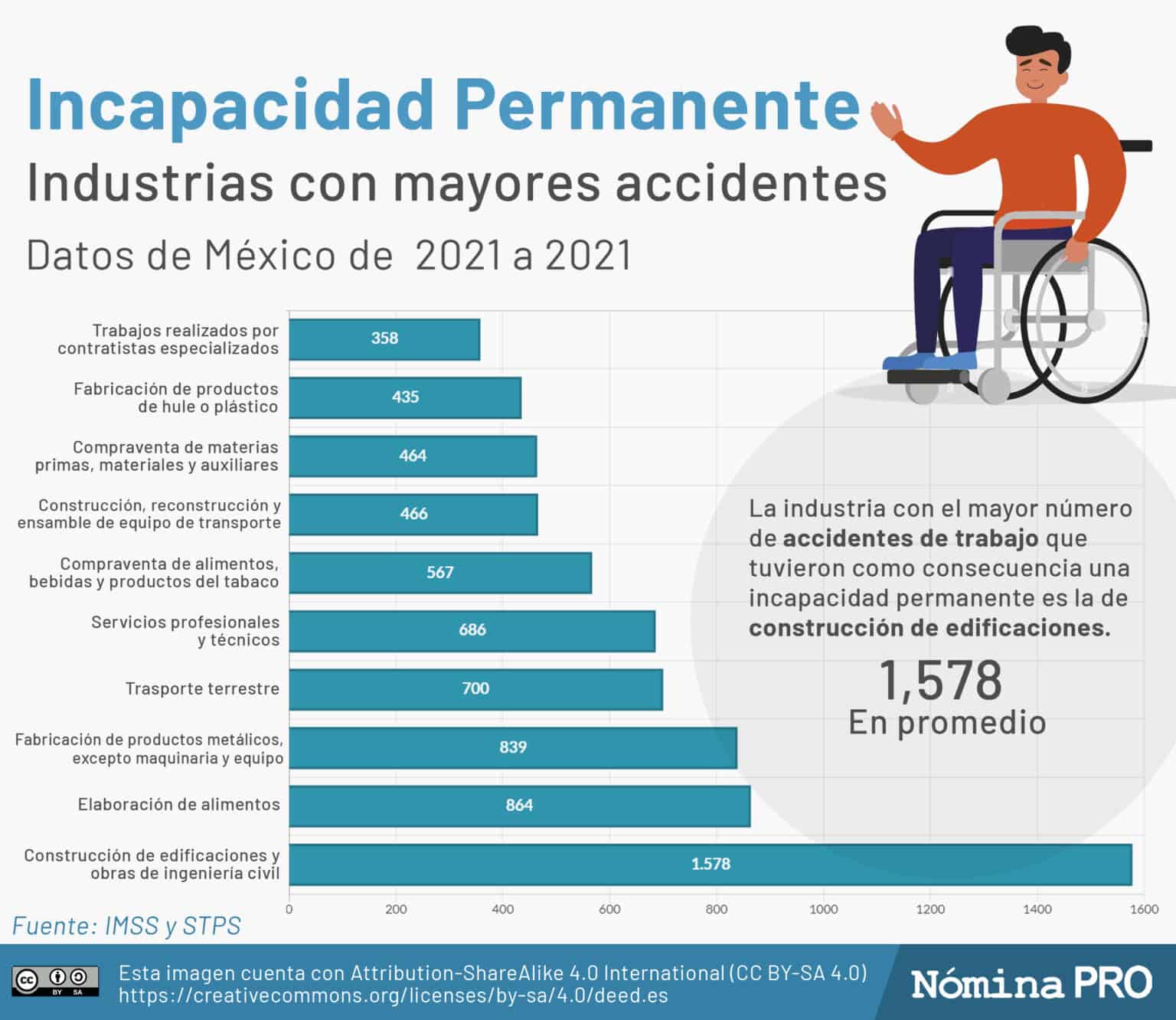
Tipos de Incapacidades Laborales. Características y Trámites