Europe and Russian Gas: Navigating Supply, Policy, and Market Dynamics
The relationship between Europe and Russian gas has long been a linchpin of the continent’s energy security. While the past decade has seen heightened political tension and diversification efforts, the foundational infrastructure and contractual frameworks still bind many European nations to Russian supply. Understanding how this interplay shapes pricing, reliability, and future strategy is crucial for investors, policymakers, and businesses seeking to hedge risks and capture emerging opportunities.
Context: A Historical Dependence
For over fifty years, pipelines like Nord Stream, Yamal, and the Trans‑European Gas Network have transported more than 90% of Russia’s natural gas to the EU’s eastern and central markets. The high volumes—approximately 50–60 billion cubic meters per year—have provided European households and industries with a reliable, low‑cost energy source. However, this dependence has also exposed the region to geopolitical leverage, as demonstrated by the 2009 and 2014 gas disputes that spurred calls for a diversified portfolio.
Current Landscape: Supply Chains and Policy Shifts
- Pipeline Capacity: With the completion of Nord Stream 2 halted in 2021, European import capacity has plateaued, prompting a focus on alternative sources and storage expansion.
- Market Prices: Spot market volatility, driven by weather shocks and global supply constraints, has increased average prices by roughly 30% in 2023, tightening margins for energy-intensive sectors.
- Regulatory Response: The EU’s 2022 Energy Union Strategy now prioritizes renewable integration, LNG import terminals, and interconnectors to reduce reliance on a single supplier.
- Geopolitical Tensions: Sanctions on Russian energy companies, coupled with Russia’s strategic use of gas as a political tool, underscore the need for contingency planning.
Strategic Options: Diversification and Technological Levers
- LNG Import Expansion: Nations like the Netherlands, Italy, and Poland have invested in floating storage and regasification units (FSRUs) to tap U.S. and Qatar LNG, thereby reducing pipeline dependence.
- Renewable Gas Production: Biogas and hydrogen from biomass and electrolysis can replace a portion of natural gas, offering a dual benefit of emissions reduction and supply resilience.
- Cross‑Border Interconnectors: Projects such as the Balticconnector and the planned Norway‑Poland pipeline enhance flexibility by allowing gas flows from multiple suppliers.
- Long‑Term Contracts: Some EU members continue to lock in multi‑year deals with Russian firms, balancing price certainty against political risk through hedging instruments.
Implications for Buyers: Cost, Reliability, and Risk Management
For value-focused buyers—particularly mid‑size industrial firms and utilities—the decision matrix pivots around three core criteria:
- Price Competitiveness: While Russian gas has historically been cheaper, recent price spikes diminish this advantage; a diversified mix can lock in lower average costs.
- Supply Reliability: Pipeline disruptions due to maintenance or geopolitical events can trigger sudden shortages; having standby LNG or renewables mitigates this exposure.
- Regulatory Alignment: Meeting the EU’s climate targets necessitates a shift toward low‑carbon alternatives; early adoption of hydrogen blends or biogas can position companies ahead of upcoming mandates.
Long‑Term Outlook: A Gradual Transition or Sudden Shift?
Experts anticipate a steady, rather than abrupt, transition away from Russian gas. While geopolitical developments can accelerate divestment, infrastructure realities—such as the time lag to build new pipelines and LNG terminals—imply a gradual shift toward a more heterogeneous energy mix. The EU’s 2030 emissions framework, coupled with a projected 20% increase in renewable gas demand, signals a structural change that could reshape the continent’s energy landscape over the next decade.
Co To Jest Cykl Miesiączkowy I Jak Obliczyć Dni Płodne? – MedoVita.pl
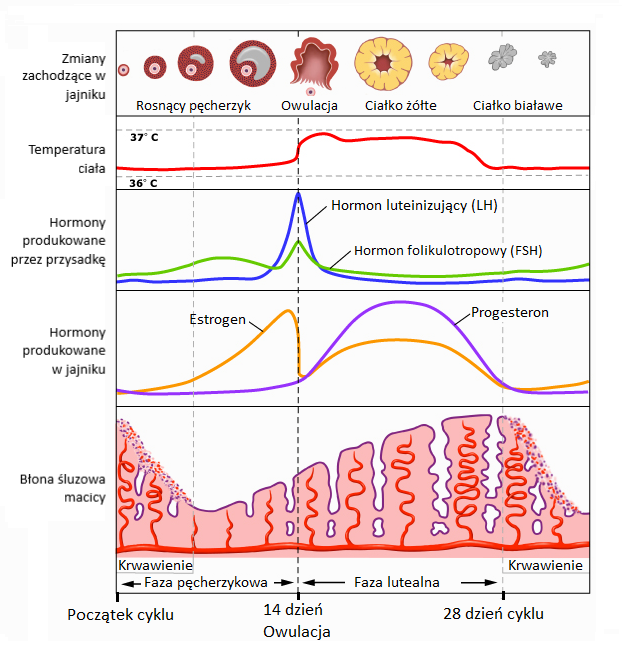
Co to jest cykl miesiączkowy i jak obliczyć dni płodne? – MedoVita.pl