Did a Tornado Hit Last Night? How to Verify and Avoid Common Mistakes
When the night sky suddenly flickers with a warning siren and social feeds explode with “tornado!” posts, the first question is often, “did a tornado hit last night?” For hobbyist storm chasers and safety‑conscious homeowners alike, the urge to jump to conclusions can lead to misinformation, wasted resources, and needless panic. Below we walk through the most frequent pitfalls in confirming a tornado event and show smarter, evidence‑based alternatives.
Scenario 1: The Social Media Rush – Trusting the Hype
Common Mistake: Treating Every Tweet as Fact
Within minutes of a storm, Twitter, Facebook, and TikTok light up with videos, screenshots, and frantic captions. Many hobbyists share shaky phone footage that looks like a funnel cloud, assuming a tornado touched down. The problem? User‑generated content often lacks geotags, timestamps, or verification, and the platform’s algorithm can amplify false alarms.
Smarter Alternative: Verify Platform Provenance
Check the original post’s metadata. If the video includes a built‑in timestamp or a visible location marker (e.g., a street sign or recognizable building), cross‑reference it with the National Weather Service (NWS) event log. A quick search on the NWS “Local Storm Report” page will confirm whether a tornado was officially recorded in that county.
Scenario 2: The Radar Glitch – Misreading Doppler Data
Common Mistake: Assuming Any Velocity Couplet Equals a Tornado
Doppler radar displays a “couplet” of opposite‑moving winds, and it’s easy for even seasoned hobbyists to mistake a mesocyclone for a tornado. Those signatures can persist for hours without ever touching the ground.
Smarter Alternative: Use the Tornado Confirmation Toolkit
Combine radar with the NEXRAD “Tornado Vortex Signature” (TVS) indicator and the NWS’s “Tornado Warning” polygons. If the TVS aligns within a warning area and a confirmed funnel is reported on ground‑level imagery, the likelihood of a true tornado increases dramatically. Tools like the Storm Prediction Center’s “Warning Verification” site let you overlay radar loops with official reports in real time.
Scenario 3: The After‑Math Survey – Relying Solely on Damage Photos
Common Mistake: Equating Any Wind Damage with Tornado Destruction
After a severe thunderstorm, a yard of uprooted trees or a shattered roof may look tornado‑like. Yet straight-line winds or microbursts can produce similar damage patterns, confusing post‑event assessments.
Smarter Alternative: Apply the Damage Survey Checklist
Look for classic tornado signatures: a narrow, convergent damage path, debris alignment toward the storm’s center, and a clear rotation indicator in the debris field. The NWS conducts post‑event surveys and publishes detailed reports, often including a damage map. Comparing your photos with those official surveys helps separate tornado damage from high‑wind fallout.
Scenario 4: The Community Hotline – Ignoring Local Emergency Services
Common Mistake: Overlooking Official Dispatch Records
Local fire departments and police units log every tornado-related call. Hobbyists sometimes skip this resource, focusing only on internet chatter.
Smarter Alternative: Contact the County’s Emergency Management Office
A quick phone call or email to the emergency management office can provide a concise summary: time of event, location, and any confirmed damage. Many offices now post daily “Situation Reports” on their websites, offering a reliable snapshot that complements radar and social media checks.
Implications for Hobbyists and Residents
The difference between a well‑documented tornado and a false alarm isn’t just academic—it influences safety decisions, insurance claims, and community preparedness. By cross‑referencing social feeds, radar data, official surveys, and emergency reports, you avoid the “boy‑who‑cried‑wolf” scenario that erodes trust in future warnings. In practice, maintain a checklist: verify timestamps, consult NWS tools, assess damage patterns, and confirm with local authorities.
Next time you wonder, “did a tornado hit last night?” run through these steps before sharing the story. The result is a clear, evidence‑backed answer that protects both your hobby and your neighborhood.
CEAM 3D Invisible Hinge - Bellevue Architectural
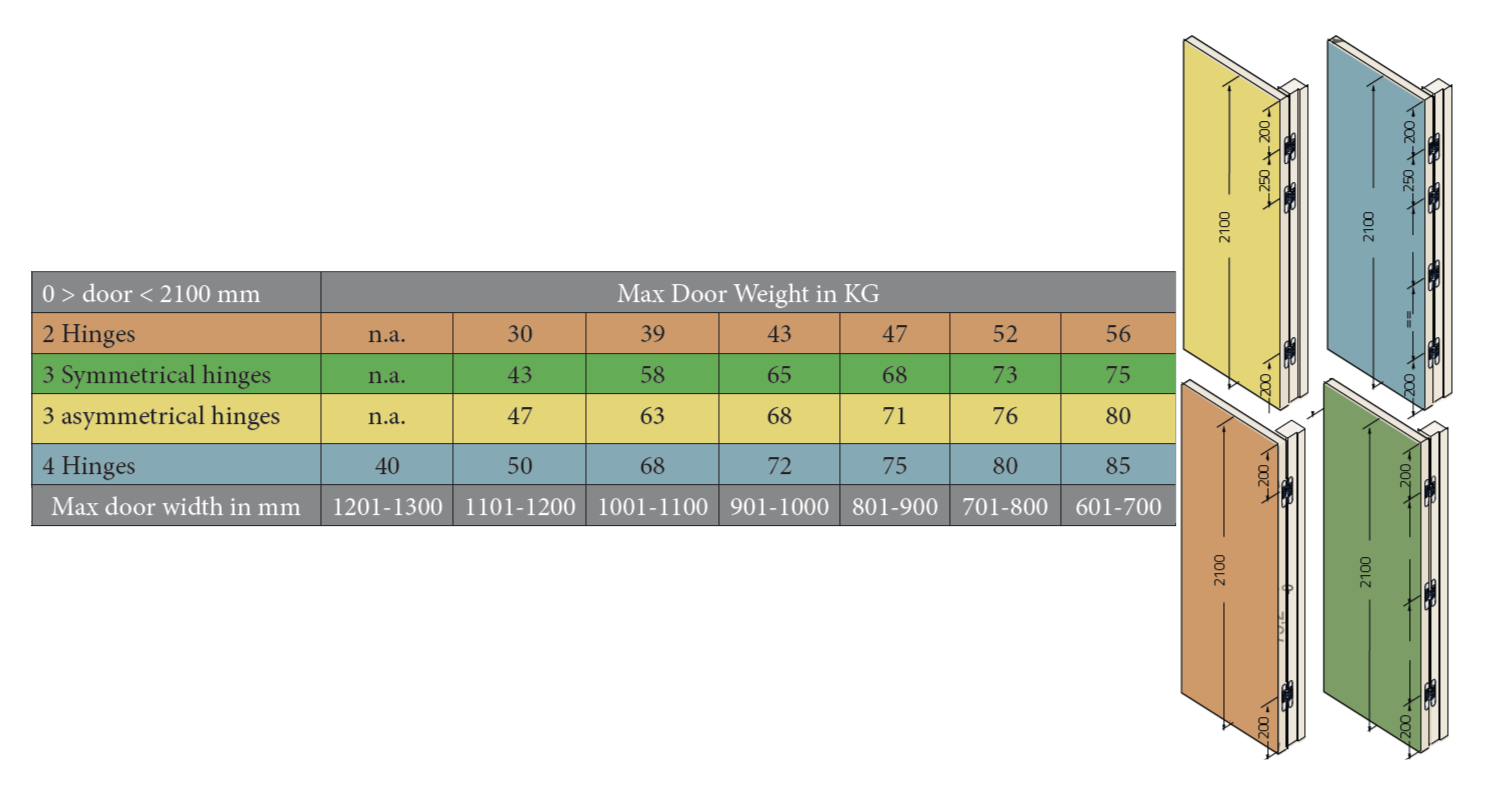
CEAM 3D Invisible Hinge - Bellevue Architectural